

How Central Mississippi’s Tree Canopy Became a Public Safety Issue, Not Just a Landscaping Concern
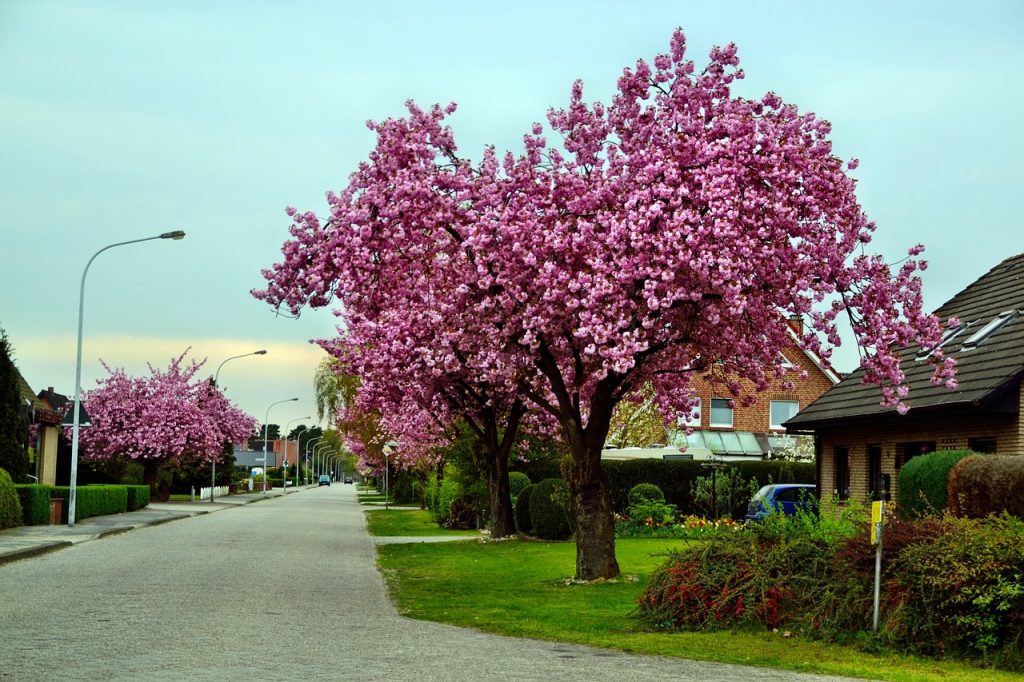
In many Central Mississippi neighborhoods, mature trees are one of the most valued parts of the landscape. They provide shade in long summers, help control runoff during heavy rain, and add measurable value to residential and commercial property. At the same time, the region’s weather patterns, soil conditions, and aging tree population have turned tree maintenance into a matter that affects infrastructure, insurance costs, and public safety.
The shift is most visible after severe weather. Thunderstorms and high winds regularly bring down large limbs or entire trees, blocking streets, damaging roofs, and taking down power lines. In a state where storms can develop quickly and move across multiple counties in a single afternoon, response time becomes critical. The difference between a tree that is removed within hours and one that remains in place for days can determine whether a property suffers additional damage or whether a business is able to reopen.
Tree failure in this region is rarely random. Many of the trees that fall during storms were already compromised. Decay in the trunk, root instability caused by saturated soil, and limbs that have grown beyond their structural capacity often develop over a period of years. These conditions may not be obvious to a property owner until a failure occurs. By that point, the cost of removal is only part of the problem. Structural repairs, insurance claims, and lost use of the property can multiply the impact.
Central Mississippi’s soil composition contributes to the issue. Expansive clay soils hold water during wet periods and shrink during dry spells. That repeated movement places stress on root systems. Trees that appear stable at the surface may be losing anchorage below ground. In commercial corridors where grading and construction have altered natural drainage, the problem becomes more pronounced. Changes in water flow can weaken trees that have stood for decades.
Urban development has also changed how trees interact with the built environment. In older neighborhoods, large oaks and pines were planted long before current building setbacks, utility placement, and driveway layouts existed. As properties were expanded and paved areas increased, root zones were reduced. Heavy equipment, trenching for utilities, and soil compaction limit the amount of oxygen and water that reaches the roots. Over time, that stress leads to decline.
For municipalities and property managers, the financial impact of unmanaged trees extends beyond cleanup. Fallen limbs can block emergency access routes, interfere with drainage systems, and damage sidewalks and curbs. In commercial areas, a single tree failure can shut down parking areas or create liability concerns. That is why more local planning discussions now include tree assessments as part of site maintenance rather than treating them as a seasonal task.
The approach to tree work has also changed. Removal is no longer the only option when a tree shows signs of stress. Structural pruning, cabling, and controlled thinning can reduce the load on major limbs and allow the tree to remain in place safely. These techniques require an understanding of species growth patterns and how weight is distributed through the canopy. When performed correctly, they extend the life of the tree and reduce the likelihood of sudden failure.
There are also situations where removal becomes the safest and most cost-effective choice. Trees located close to structures, power lines, or public rights-of-way can create ongoing risk if they are already in decline. In those cases, the method of removal matters as much as the decision itself. Sectional dismantling, controlled lowering of large limbs, and the use of specialized equipment allow work to be completed without damaging nearby structures or landscaping.
Site preparation for new construction has created another demand for professional tree services. Clearing land for residential subdivisions, commercial developments, or utility installation requires more than cutting vegetation at ground level. Stumps, root systems, and buried debris must be removed so that the soil can be properly compacted and graded. If organic material is left in place, it decomposes and creates voids that lead to settlement. That affects everything from building slabs to parking lots.
The ability to remove trees and prepare a site in a single operation has become especially important for projects working on tight schedules. Coordinating multiple contractors to clear, haul, and grade can delay construction. A single crew that can handle tree removal, debris hauling, and initial site cleanup allows developers to move directly into the next phase.
Emergency response remains one of the most visible parts of the industry. After a major storm, local crews are often the first to reach residential areas where roads are blocked by fallen trees. Their familiarity with local streets and property layouts allows them to work faster than out-of-area contractors. In many cases, they are also the ones who return later to address the trees that were weakened but did not fall during the initial event.
Insurance carriers have begun to look more closely at tree conditions as well. Properties with documented maintenance are less likely to generate repeated claims for storm damage. That has led some commercial property owners to schedule regular inspections and preventive work rather than waiting for visible decline. The cost of that maintenance is typically lower than the deductible and repair costs associated with a major loss.
The role of experienced local companies has grown as these factors have become more widely understood. Firms are called not only for removal but also for evaluation of trees that pose a potential risk to homes, businesses, and public spaces. Their work often begins with an assessment that determines whether a tree can be preserved through pruning or whether it should be removed to prevent future damage.
That evaluation process reflects decades of regional experience. Central Mississippi’s mix of hardwoods and fast-growing pines, combined with long periods of heat and sudden heavy rainfall, creates conditions that differ from other parts of the country. Techniques that work in cooler climates or in areas with sandy soil do not always apply here. Local knowledge of species behavior, soil movement, and storm patterns allows crews to plan removals and trimming in a way that reduces risk to surrounding property.
Cleanup is another factor that has become more significant as development density increases. In both residential and commercial areas, debris cannot simply be left at the curb. Wood, brush, and root material must be removed so that the site can return to normal use. For businesses, that can mean the difference between reopening the next day and remaining closed for an extended period.
The long-term effect of this shift is that tree work is no longer viewed as a reactive service. It is part of property management and infrastructure protection. A well-maintained canopy reduces storm damage, protects pavement and underground utilities, and improves drainage by controlling how rainwater reaches the ground. When trees are neglected, they become a source of repeated expense.
Central Mississippi will continue to experience the weather patterns that make tree failure a recurring issue. The difference will be in how communities and property owners prepare for it. Regular assessment, timely pruning, and planned removal of high-risk trees allow the benefits of a mature canopy to remain without creating ongoing hazards.
The result is a landscape that still provides shade and character but is managed with the same level of planning applied to buildings, roads, and utilities. In that environment, tree service becomes less about emergency response and more about long-term stability for the properties and public spaces that depend on it.